How Uplift Her Hub Operates
Why our group-based micro-enterprise structure breaks the dependency cycle where traditional vocational training fails.
The 50 / 30 / 20 Revenue-Sharing Model
At Uplift Her Hub, participants are treated not as students awaiting graduation, but as co-producers in active micro-enterprises. Every shilling generated from product sales (soap, chalk, uniforms, candles) is allocated via a strict, transparent formula:
Direct Mother's Earnings
Distributed equally among active participating group members to immediately fund food, nutrition, medicine, and child shelter.
Revolving Material Fund
Reinvested directly into raw materials (gypsum, caustic soda, fabric, oils) and equipment maintenance to keep the enterprise perpetual.
Hub Reserve & Overhead
Covers workshop rent, water, security, trainer stipends, and administrative utilities in Rubondo Base Camp.
Group-Based Animal Cohorts
Young single mothers are grouped into tight-knit units of 10–12 members named after resilient animals:
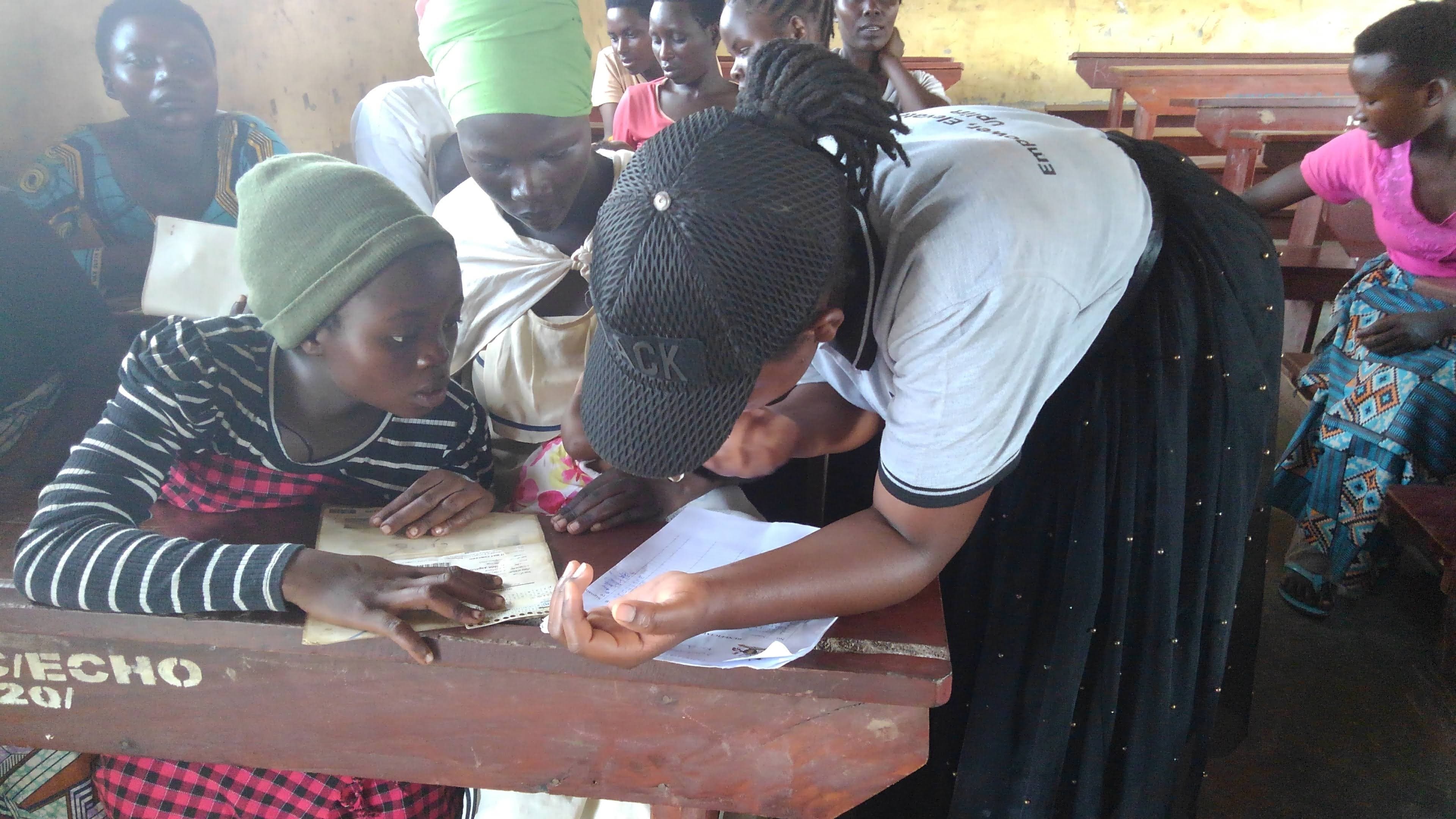
These groups serve as autonomous production units, mutual childcare collectives, and savings circles (VSLAs). By working as a collective, single mothers overcome the intense stigma and isolation that often paralyzes lone individuals in refugee settings.
The Rotational Access Model
When production equipment (such as our heavy-duty 800-piece chalk moulds or sewing machines) is limited due to startup capital constraints, UHH operates on a Rotational Access Model:
Support a mother. Rebuild a family.
Contributions directly fund workshop raw materials, chalk moulds, sewing machines, and weekly Friday peer counselling circles in Karitima A Village.